The concept of trending is more than just a buzzword; it’s a powerful phenomenon driving much of the cultural and social dynamics around us. At its core, a trend reflects a collective movement towards particular ideas, practices, or preferences shared by a significant number of people. In our increasingly interconnected world, trends seem to spread like wildfire, changing the landscape of everything from fashion and technology to language and lifestyle. This swift flow of ‘what’s hot’ plays a pivotal role in defining contemporary society, showcasing our desires to connect, enjoy, and innovate. Behind every trend lies a blend of creativity and desire, where individuals pick up on signals, either consciously or subconsciously, from numerous sources—be it social media influencers, viral videos, or simply an unusual encounter that captures public interest. Trends aren’t confined to transient fashionable movements; they can spark revolutions in thinking, ushering in new eras in fields as pivotal as health, education, and environmental sustainability.
The lifespan of a trend varies, often depending on its origin, adaptability, and impact. In practice, identifying a trend involves observing subtle shifts in group behavior that ripple outwards, impacting larger populations. For instance, when a unique style emerges on an online platform, initially it might just be a quirky post gathering likes and shares. But as more individuals experiment with this novelty—altering it slightly based on personal preference—it gains momentum and transforms into a popular trend. An essential aspect of trends is their dynamism; they evolve and adapt over time, integrating with various cultural elements across the globe. This ripple effect epitomizes our innate human behavior to emulate and innovate, seeking belonging and expression within broader communities. From workspaces rethinking employee interaction through remote models to shifts in dietary habits focusing on sustainability, trends emerge as reflections of deeper societal changes, pointing towards future developments as well as current inclinations.
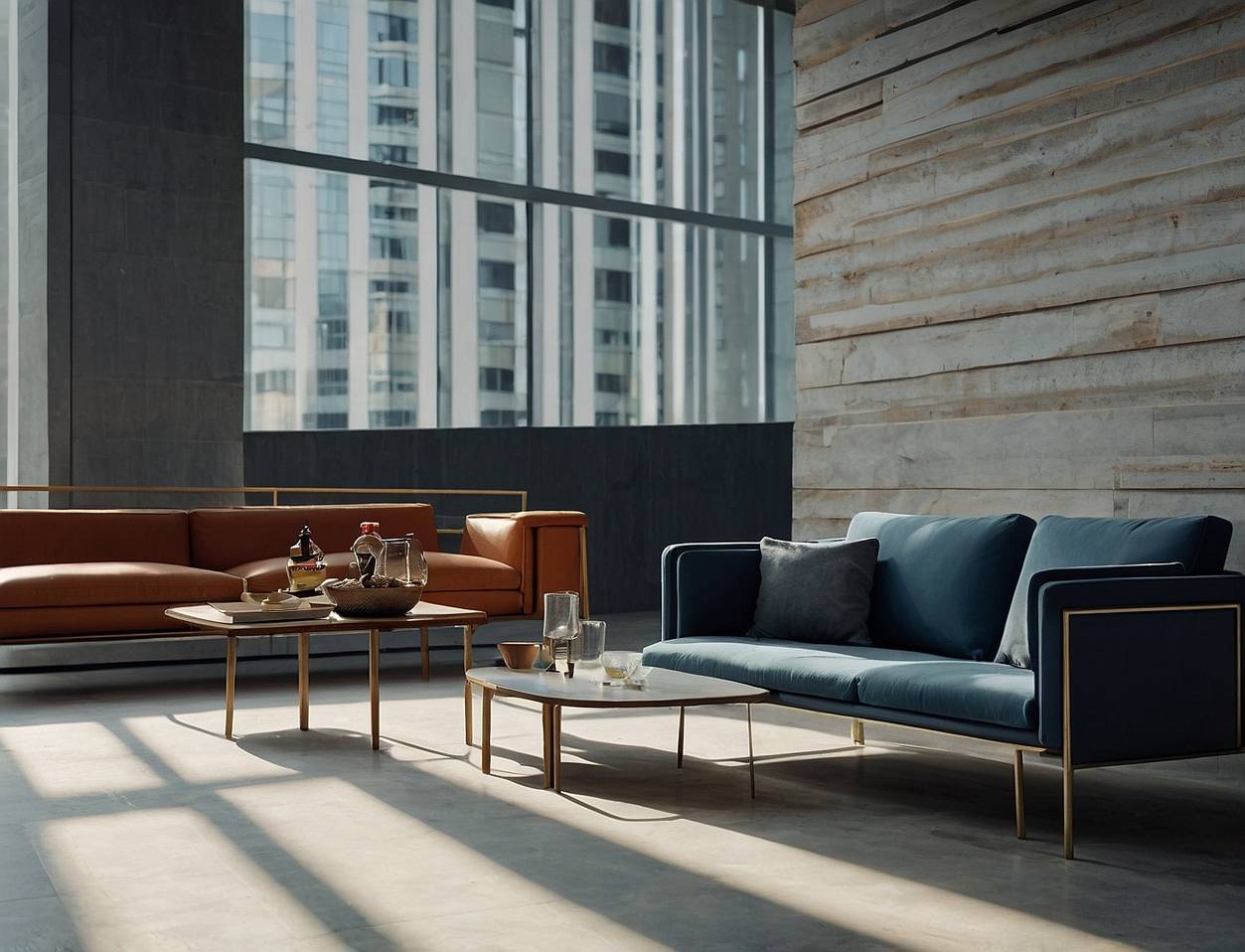
Understanding trends beyond just participation holds valuable insights into the larger symbiotic dance between society and individual action. While trends can undeniably dictate choices—from garments in your closet to motifs in interior decor) —they also allow for creativity, suggesting a template onto which personal themes can be imprinted. In essence, embracing or rejecting a trend becomes an act of cultural discourse, prompting discussions on functionality, relevance, and appeal. For instance, availing oneself of a new minimalist lifestyle trend may start with reducing clutter at home but can expand one’s view on consumption and personal priorities. The art of navigating trends intelligently—choosing what’s beneficial over what’s transient—ultimately enhances one’s ability to respond favorably to change. As consumers of trends, engaging with them can be empowering if understood as opportunities rather than obligations. Thus, exploring current waves calling our attention might not only entertain and engage but also enrich disparate dimensions of life’s ongoing sketches.